
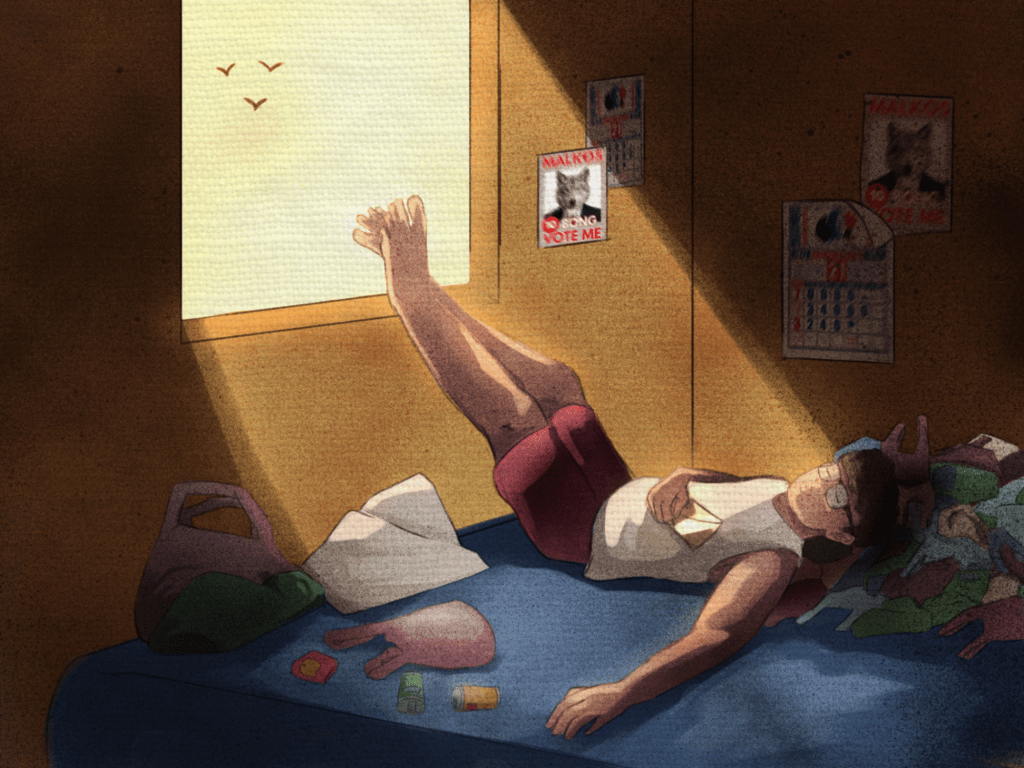
Illustration by Kenneth John De la Vega
To choose forgetting may feel like an escape, but it only traps us more to the systematic chains. To forget together is easy, but to remember together is true resistance.
It is always that familiar smile, the deliberate handshake, the practiced warmth in small exchanges, and the ever-present eco bag packed with the basic needs— a pouch of rice, cans of sardines, a few pieces of noodle packs, and on fortunate days, a discreet envelope slipped within, plastered with a sticker of a face and a name. Scenes that are so familiar not only every election season in most localities in the Philippines, but also in the in-between moments, now and then, whenever those in power come seeking favors.
The clamor for good governance has echoed throughout Philippine history, and it grows louder in times of crisis, when it is time for another typhoon to ravage homes and livelihoods, or when the cracks in government widen to reveal malpractice, corruption, and theft by those in power.
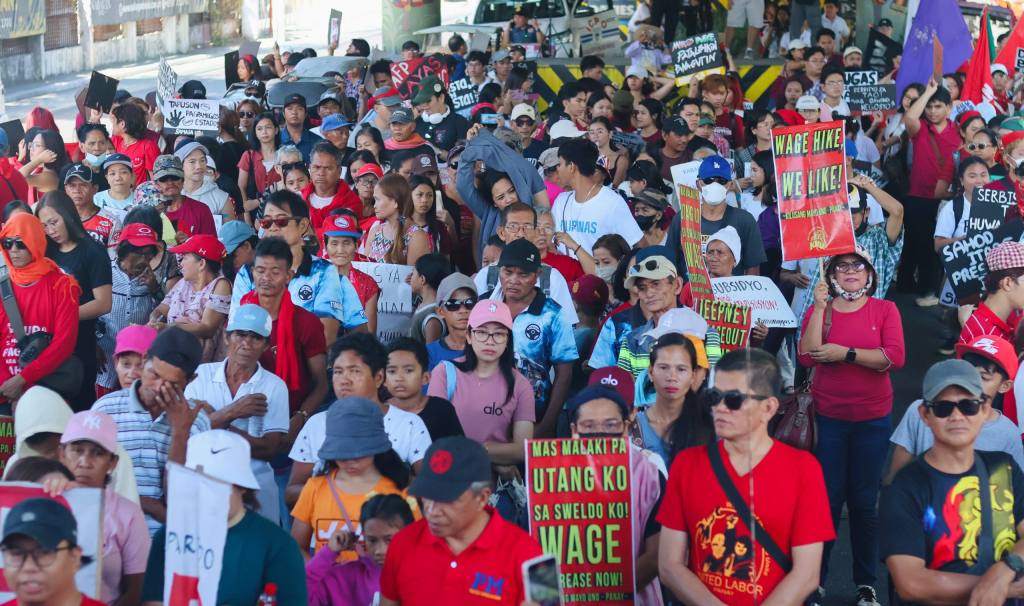
In moments of hardship and injustice, we find ourselves yearning for leaders who could have prevented, or at least mitigated, the burdens we now carry. It has become almost a pattern in our culture: that our homes must first be swallowed by floodwaters, that our children must endure cramped student spaces and inadequate facilities caused by budget cuts, and that workers, despite exhausting all means, must scrape by on meager wages just to feed their families.
However, throughout our history, Filipinos often suffer from what may be called a collective memory of forgetting—a tendency to selectively remember, misremember, and disremember stories of our history. In revisiting our colonial experience, for instance, the cultures imposed upon us by the colonizers once served as instruments of pacification. Yet today, we often choose to remember them in a flattering light, treating them as influences that enriched and shaped our indigenous traditions. But were these truly gifts from our colonizers, or were they more insidious tools of control?
Moreover, during the Marcos Sr. regime, the propaganda of economic progress and grand infrastructure projects became rallying points that continue to draw admiration from some Filipinos today. Yet what is often overlooked is that these so-called achievements were funded by the people’s own money, resources that never truly belonged to the regime, and for which it deserves no credit.
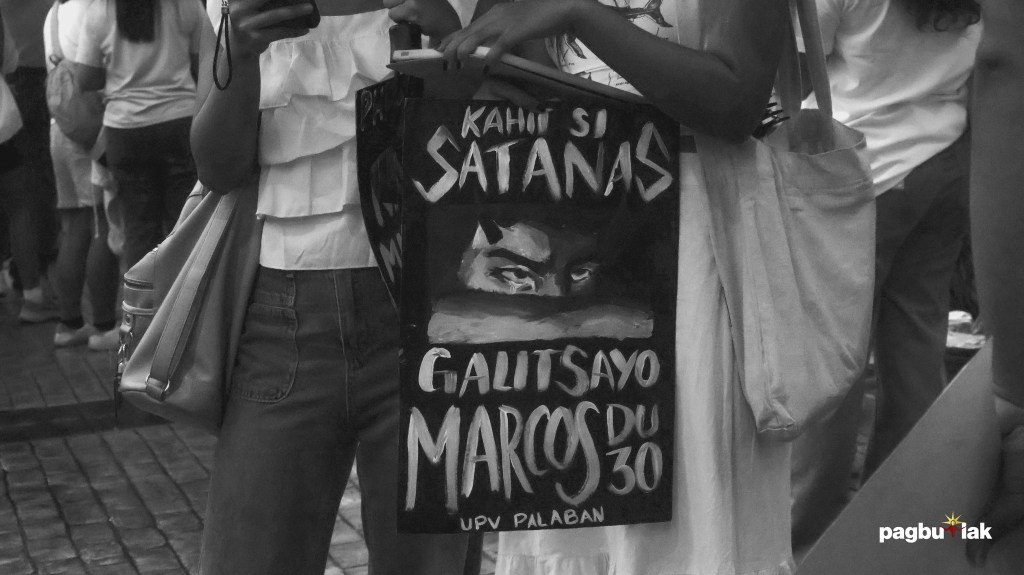
What seems to endure instead is a selective forgetting of the darker truths, the imposition of Martial Law that silenced voices, stripped away rights, and inflicted entrenched scars on the people. But in this culture of misremembering, many still extend their support to the very family that enabled such peril in our past and even now, with Marcos Jr. in power. Loyalty still persists for some despite the glaring incompetence that continues to weigh upon the Filipino people.
Further, Duterte’s “iron-fist” style of leadership drew support from many Filipinos who believed that such an authoritarian approach could finally address the country’s most pressing problems. Yet even as the misdeeds and controversies surrounding his family resurfaced, much of the public chose to look past them, sustained by a kind of masochistic endurance and blind faith. Despite allegations against the daughter over questionable confidential funds, loyalty to their name endures, accompanied by a deliberate forgetting of the bloody trail of extrajudicial killings that claimed countless Filipino lives, guilty or not.
On a closer look, this cycle reveals itself most vividly at the local level. Communities are enticed by the illusions of a new flood control project, a freshly paved pathwalk, a refurbished plaza, or yet another multi-purpose gym rising in town. People are won over by ayuda, whether inside the ecobags or the envelopes, and their resolve often softens with nothing more than a warm handshake or a string of pleasing promises.
These gestures, though modest, sustain the illusion of progress and make it easier for traditional politicians to secure loyalty, showing how deeply ingrained and difficult to escape this cycle truly is. Still, it would be unfair to fault Filipinos for accepting the pouches, whether or not they choose to support the politician behind it.
For many, these handouts are necessities, immediate lifelines to survive the everyday poverty. The issue lies with those in power who use these vulnerabilities, turning acts of supposed generosity into tools of manipulation. By framing basic assistance as personal favors rather than the people’s rightful due, they therefore sustain a cycle that keeps citizens indebted while inequalities grow wider. The cycle persists, obviously not in the people’s act of receiving, but in the leaders’ deliberate use of aid as currency for control.
I constantly long for the day when Filipinos finally recognize that these warm gestures are, more often than not, mere facades. When the smiles that seem so sincere are unmasked for the self-serving intentions they conceal. I look forward to the time when people will no longer be misled by wolves in sheep’s clothing, but will instead receive the support they deserve, offered not as favors to secure loyalty, but as rightful assistance rooted in genuine care and responsibility.
And I will always hope for the day when there is no longer a need to endlessly clamor for good governance because it has already been truly realized.
Rhea Nava is a History major at the Division of Social Sciences. She writes culture article for Pagbutlak since 2024.

 Pagbutlak
Leave a comment