
So, in this crooked system, the greatest rebellion, then, is to stay awake. To refuse to close our eyes to the wrongdoings, to the corruption disguised as governance, to the injustices passed off as order, to the brutality excused as necessity.
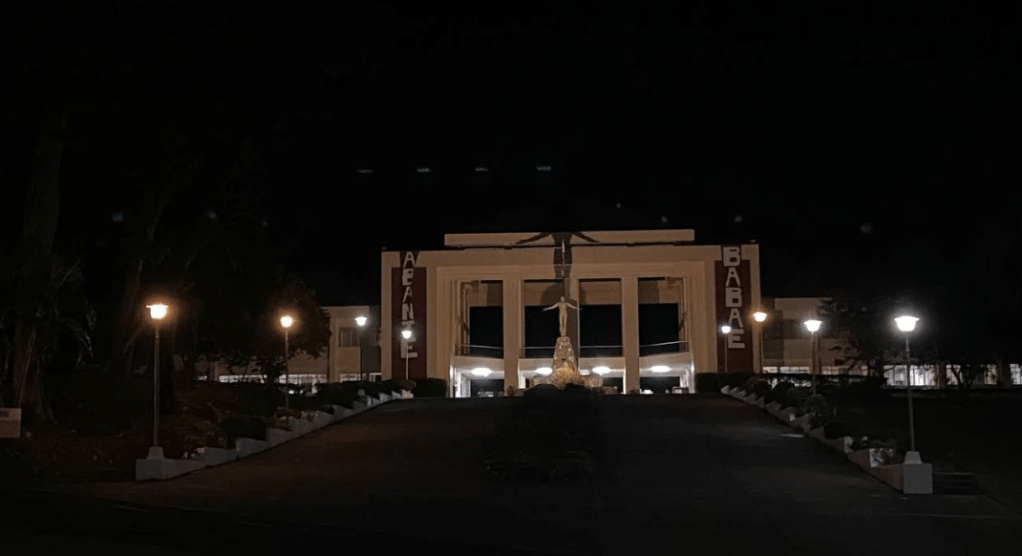
Walking through the streets of Miagao at 3 a.m. felt strange. The town was asleep, the night air was cold, and everything felt empty. No students rushing past, no vendors calling out, no busy streets— just my friend and I, still in our dress outfits from an org event, fresh from submitting three requirements for three different courses.
We were talking and laughing about random things when she suddenly said, “May time bala na waay pa ‘ko katulog pero feeling ko bag-o lang ‘ko kabugtaw.”
She hadn’t slept, but she felt like she had just woken up.
Her words lingered. We kept walking, and she moved on to another topic, but I was no longer listening. I replayed each word in my mind, slowly, trying to make sense of them. And then, it hit me. I understood exactly what she meant.
This is what being in UP feels like: deadlines chasing us, the back-to-back long exams, the papers due the next day, sprinting out of AS to whatever corner of the campus for the next class, the late-night cram sessions—all while desperately trying to hold on to the reason we’re even here in the first place. Before we know it, the long night has stretched into morning. The sun rises, and it’s another day to show up—in class, in org duties, in mobilizations, in events—as if our minds weren’t fraying at the edges. To make matters worse is the removal of the reading break, denying us just a few weeks of pause from everything. We cannot close our eyes. We don’t get to.
Maybe that is the point.
We live in a system designed to drain critical thought by keeping people too exhausted to think, too overworked to question, too helpless to act, too distracted to resist. They push us to think critically yet take away the reading break, leaving us too drained and burnt out to even keep up.
So, in this crooked system, the greatest rebellion, then, is to stay awake. To refuse to close our eyes to the wrongdoings, to the corruption disguised as governance, to the injustices passed off as order, to the brutality excused as necessity.
It’s our battle cry: Iskolar ng Bayan. Tuloy pa rin ang laban. Continuous. Unrelenting. Never stopping. We are meant to keep going. To stay vigilant and alert. Not just in classrooms, not just in exams, but beyond the pages of our readings, beyond the walls of our classroom.
I’ve come to realize that since entering UP, sleep has become a luxury I can’t afford. But I’m not complaining. The lack of sleep means there’s something worth staying awake for: for the people, for our families and loved ones, for those who never had the chance we do.
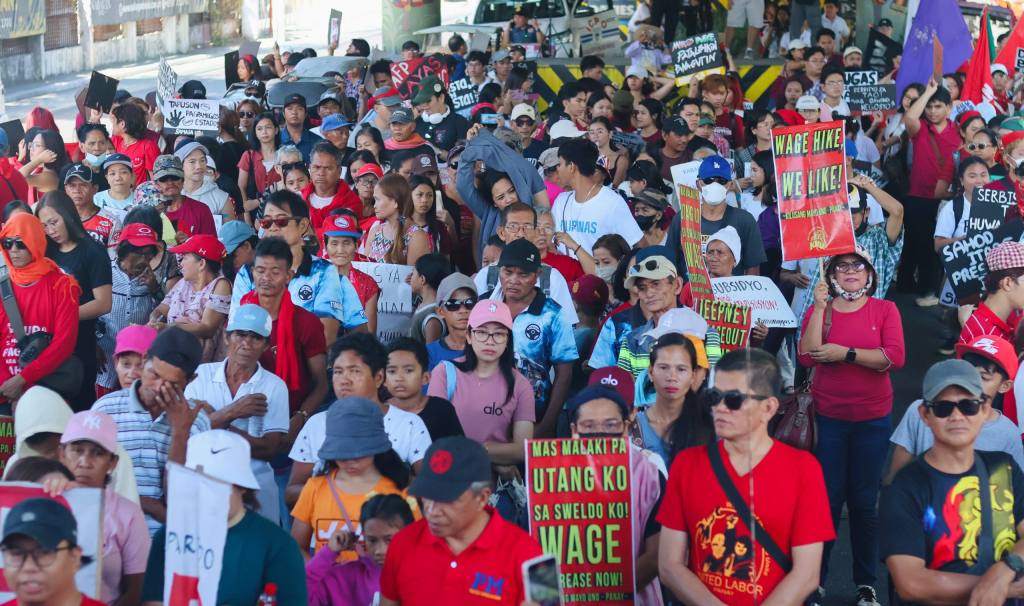
But this is more than just the experience of UP students; it is the experience of an entire nation—conditioned to exhaustion until it turns into apathy. Overworked, underpaid, constantly scrambling to survive.
I think of the one who stopped voting, convinced no leader will ever make a difference. Of the worker, drained from a sixteen-hour shift. Of the fanatic, overwhelmed by facts until blind faith feels easier. Of the tricycle driver, too busy counting coins to count the ways the system has failed him. Of the vendor at the market, smiling through aching feet, too focused on selling enough fish to send her child to school to question why education must cost so much. Of the teacher, juggling sixty students, spending her own salary on supplies the system won’t provide. Of the construction worker wiping sweat from his brow, building high-rises he will never live in. And of the farmer, breaking his back in the fields, hands deep in the soil that feeds a nation—yet still unable to feed his own family.
A tired population does not have the energy to protest. But history has never belonged to the well-rested.
History teaches us that awakening begins in the moments of greatest exhaustion. Resistance starts when people refuse to be lulled into submission. To stay awake—truly awake—is to recognize that the struggle is not just about finishing degrees or meeting deadlines. It is about refusing to be broken by a system designed to keep us docile.
Good for those who sleep comfortably in their air-conditioned rooms, in mansions with high walls, shielded from the weight of the world. But for the rest—for those who toss and turn, those who wake before the sun and collapse long after it sets, those who are too tired to fight but fight anyway—the only choice is to stay awake and get through the day.
And so, as the deadlines pile up, as the hours slip by, as my eyelids grow heavy, as homesickness creeps in, as I finish my third cup of coffee, I tell myself: Stay awake. Keep looking. Do not shut your eyes. Because to stay awake—both literally and figuratively—is a radical act.
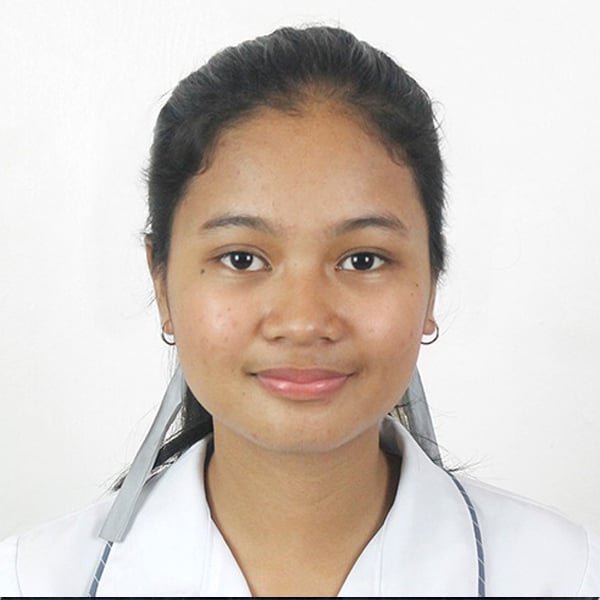
Rea Ellen Bastian is a first-year BA Literature student at the University of the Philippines Visayas. She writes opinions for Pagbutlak. As a budding writer and campus journalist, she is passionate about examining social issues, historical narratives, and cultural discourse through a critical lens.


 Pagbutlak
Leave a comment