
by DM Tiangson | graphics by Klyde Factes
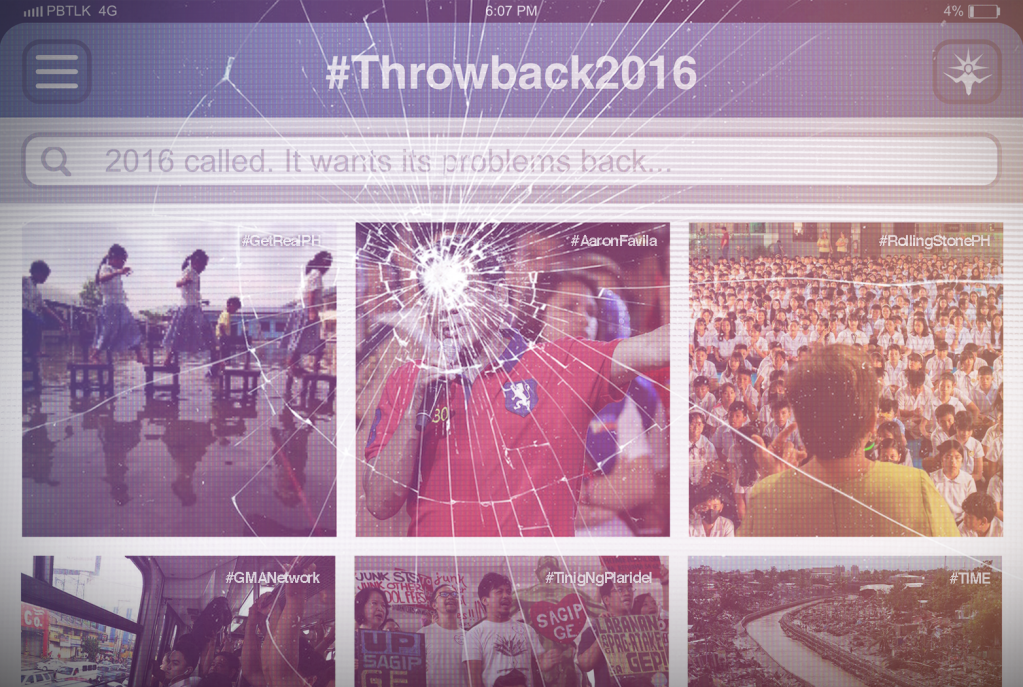
Looking back at 2016 should make it feel distant. But it does not. Tuition, potholes, floods, corruption, and widening inequality between state and private institutions are still here. Scrolling #Throwback2016 is fun until you realize that we are living 2016 all over again.
Scrolling through #Throwback2016 is supposed to be fun. Old memes, awkward selfies, fashion choices we swore we would never repeat. But if you stop laughing for a moment and look around, you begin to notice something uncomfortable. The real throwback is not in the photos, it’s in the problems themselves.
Education is still underfunded, roads are still crumbling, flood control still fails in the same areas year after year, corruption continues to thrive, and government incompetence remains unchanged. Ten years later and we are still living 2016 all over again.
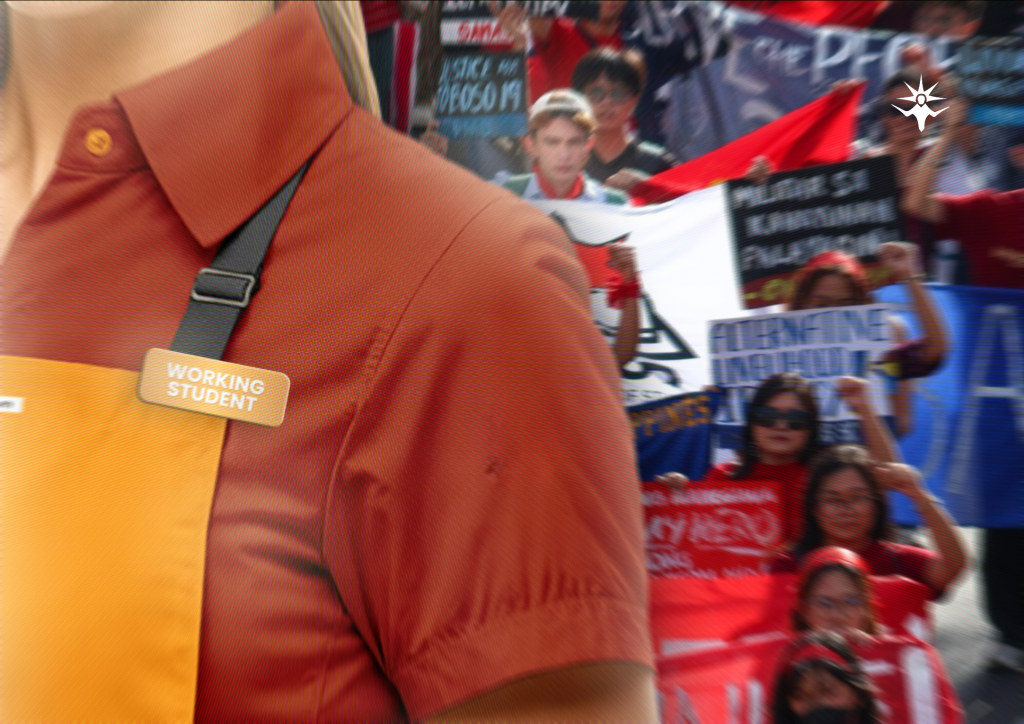
Take education. In 2016, students were already paying out of pocket for lab kits, photocopies, data packages, and internet access because schools could not provide basic resources. In 2026, students still pay for those same items and more. Tuition keeps rising and families quietly absorb costs that the state should cover. Textbooks are worn-out, libraries lack up to date resources, and online learning platforms often fail to deliver what modern coursework requires. The pandemic showed how essential technology is to learning, yet a decade later the gaps are still here.
Even with free tuition in state universities, students still carry the burden of laboratory fees, materials, transportation, food, and internet while competing for overcrowded classrooms, lab slots, and library space. Enrollment has surged, but funding has not kept pace, weakening student support and stretching facilities thin, while private universities maintain smaller classes, stronger resources, and wider access to internships and research. What was meant to expand access has instead widened the gap between those who can afford quality education and those who cannot.
The crisis goes beyond cost. Teacher shortages, exhausted faculty, outdated curricula, underfunded programs, and poorly equipped labs leave students underprepared for modern work. Aging facilities and limited research funding further weaken universities, especially in critical fields like science, engineering, and healthcare. Despite repeated promises of reform, too many graduates leave with diplomas that do not translate into real opportunity.
Infrastructure has become a public symbol of stagnation. Roads, bridges, and flood control projects promised years ago remain unfinished or poorly maintained. Potholes, collapsing bridges, and flooded streets are routine, turning every heavy rain into a disruption of work, school, and business. Commuting becomes a gamble with safety and time on the line.
Budget cuts explain part of the decline, but corruption deepens it. Infrastructure spending shrinks while reports of overpriced contracts and misused funds grow. Oversight is weak, accountability rare, and construction sites stall after ribbon cuttings and press releases fade. Announcements are frequent. Completion is not.
Flood control exposes the failure most clearly. Aging drainage systems and neglected dams leave communities defenseless each rainy season. Typhoons hit the same areas, relief arrives late, evacuation centers overflow, and mitigation funds are diverted or mishandled. Communities vulnerable years ago remain vulnerable today. Each flood season feels less like a natural disaster and more like a preventable one.
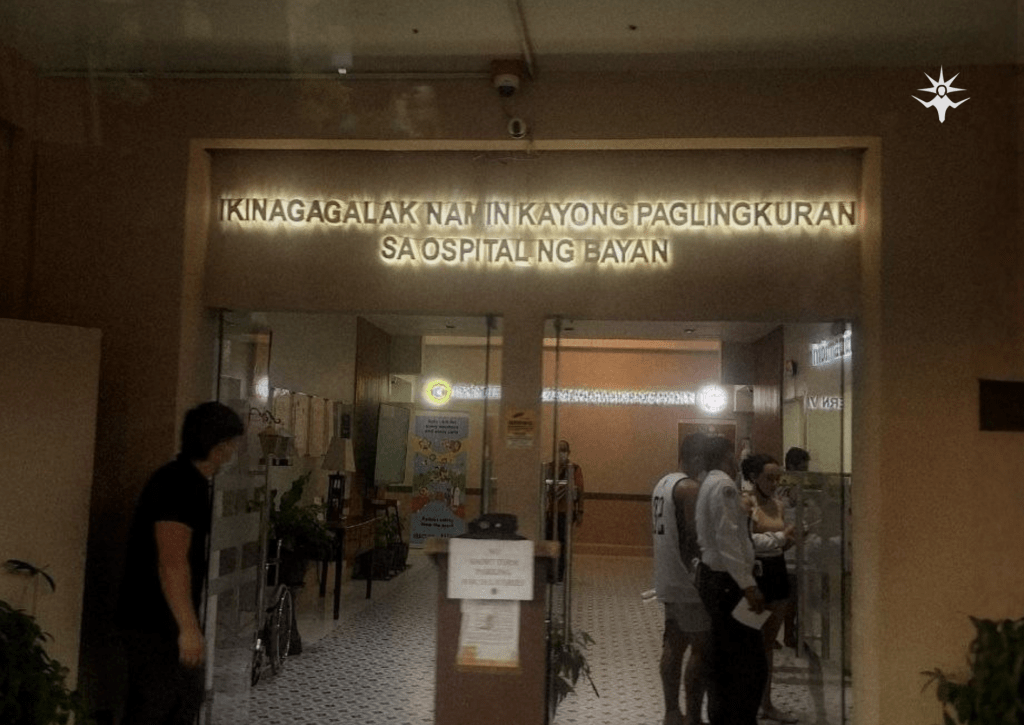
Corruption is not a glitch in the system but the system protecting itself. Funds disappear into inflated contracts and ghost projects while classrooms remain overcrowded, hospitals lack equipment, and roads stay unfinished. Relief is promised in public but fails to reach those who need it, turning governance into betrayal rather than service. Every stolen peso carries a human cost in students without resources, patients without care, and families left to recover on their own.
Meanwhile officials recycle promises, avoid accountability, and treat public office as a revolving door. Incompetence deepens the damage as policies are announced for headlines instead of results, projects stall, deadlines quietly fade, and pilot programs go nowhere. Corruption and mismanagement do not simply waste money, they normalize failure and steadily erode public trust.
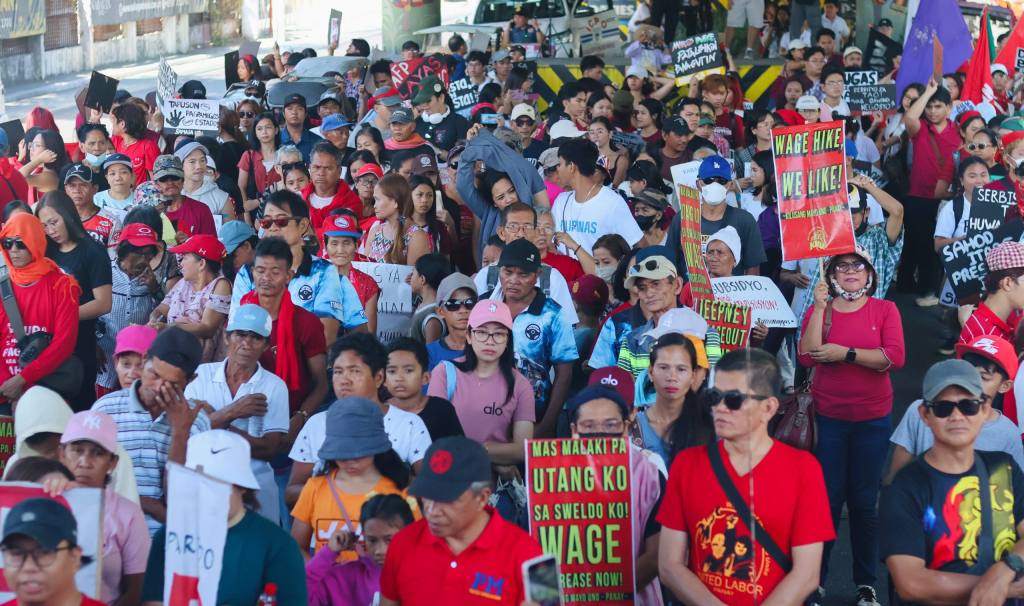
Despite claims of economic growth, millions of Filipinos remain trapped in poverty while inequality widens. Programs meant to help the vulnerable falter under budget cuts, mismanagement, and corruption. Access to education, healthcare, and disaster relief depends more on luck, connections, or location than need. Life in 2026 feels little different from 2016.
Families in flood‑prone barangays rebuild homes only to see them washed away again. Students dream of science careers but cannot use functional labs. These are not exceptions but examples of problems repeating across the country year after year.
After ten years, temporary fixes have become permanent. Budgets are squeezed, corruption siphons solutions, and incompetence blocks progress. Free education exists in name only. Roads and flood systems fail. Disaster response is too slow. Poverty and inequality persist, and governance remains reactive, leaving citizens to shoulder the consequences.
Looking back at 2016 should make it feel distant. But it does not. Tuition, potholes, floods, corruption, and widening inequality between state and private institutions are still here. Scrolling #Throwback2016 is fun until you realize that we are living 2016 all over again.
2016 called, and it is disappointing we haven’t upgraded.
DM Tiangson is a first-year BA (Community Development) student at the University of the Philippines Visayas. He is an opinion writer for Pagbutlak in its 51st year.


 Pagbutlak
Leave a comment