
by Benedict Maravilla
As of March 17, the starting fuel price in Miagao in Iloilo, has reached P80, while the highest has already risen to around P110, following a national price hike that has also approached similar levels.
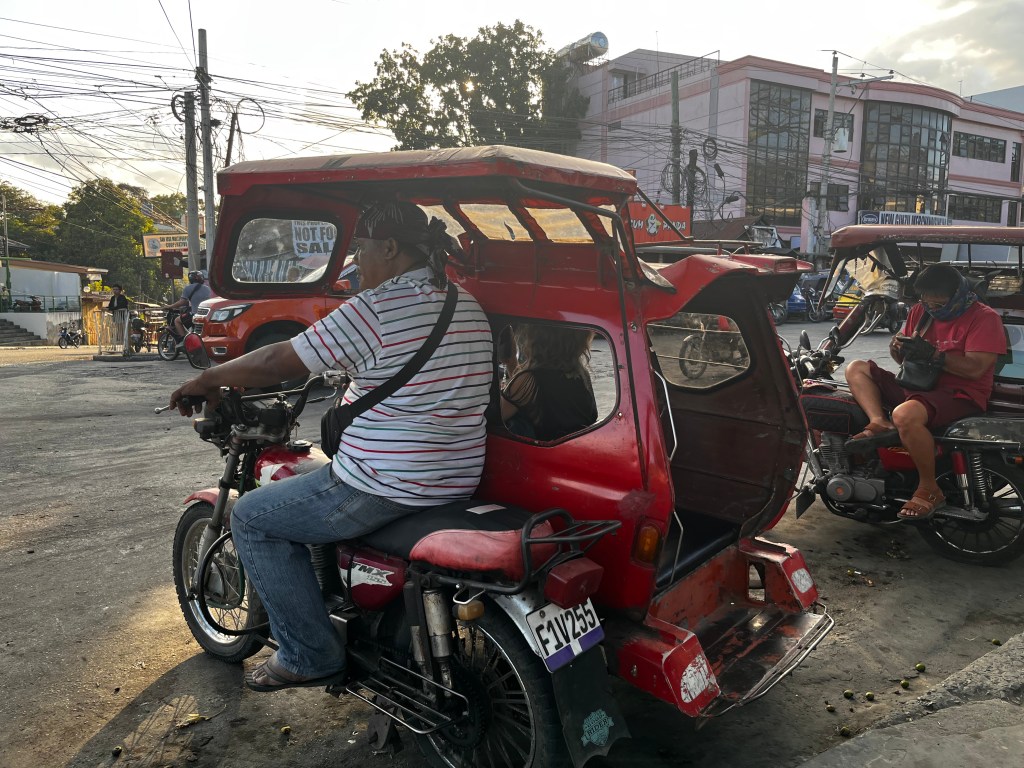
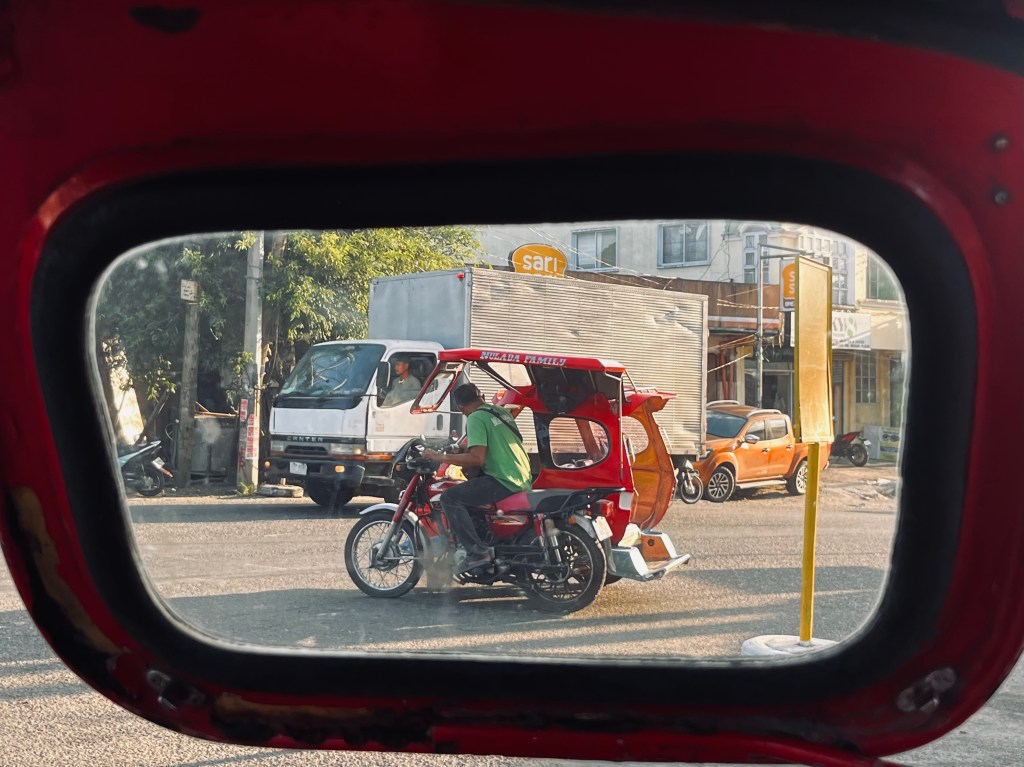
Fuel prices rise and fall, but this month’s spike marks the steepest increase Jun, not his real name, 52, has seen in his two decades of driving a tricycle.
A member of the Bolho-Sapa-UPV Tricycle Operators and Drivers Association (BSUTODA), Jun has been navigating the campus roads of the University of the Philippines Visayas (UPV) since 2006, ferrying the community from one place to another.
With fuel prices climbing higher and faster amid the US-Israel war on Iran, Jun, like other tricycle drivers in UPV, is now forced to grapple with sustaining his earnings and his job.
“Mahambal gid namon nga mapinigado gid ang mga drayber, e. Ang income, ang gas mo dako na mo. Butang mo 1K makita sa buo nga adlaw, i-gas mo na, i-boundary mo pa abi kun driver ka, ang mabilin lang gid na sa imo, gamay lang gid mo kung isipon. Indii na gid na kasarang sa panimalay,” Jun told Pagbutlak.
(We can really say that drivers are struggling more. Your income is small, while your fuel expenses are already high. For example, if you earn 1,000 pesos for the whole day, you still have to spend on fuel and pay the boundary if you’re just a driver. What’s left for you is very little when you think about it. It’s no longer enough to support a household.)
As of March 17, the starting fuel price in Miagao in Iloilo, has reached P80, while the highest has already risen to around P110, following a national price hike that has also approached similar levels.
This week has seen the second round of double-digit fuel price increase since the start of March. Gasoline prices rose by P12.90 to P16.60 depending on the company, while diesel increased by P20.40 to P23.90.
“If the price continues to increase, it will really be hard for drivers,” Jun said in Hiligaynon.
Beyond the international headlines of missiles and airstrikes, ordinary people, even those miles away from the frontlines, bear the brunt of the conflict, worsened by weak government response and price exploitation by giant companies. UPV drivers are not exempt from it.
Who suffers more?
Iran has become the major target of the US and Israeli government in its aim to put an end to Iran’s nuclear program, which Israel sees as an existential threat to their country’s security.
On Feb. 28, the US and Israel forces launched aerial strikes on Iranian cities and military installations, killing thousands of people. Iran retaliated by launching missiles towards US-linked targets in the Gulf.
As the conflict intensified, Iran moved to restrict access to the Strait of Hormuz, a critical passageway that carries about one-fifth of the world’s oil supply—sending fuel prices surging worldwide.
While it has gradually opened to some countries like Pakistan, India, Turkey, China, France, and Italy, most countries, specifically US allies, are still banned from passing through the strait.
In the Philippines, the effects of the conflict thousands of miles away are keenly felt by ordinary Filipinos. As an oil-import dependent country, price shocks abroad quickly translate to higher costs at home.
What once seemed like a distant war now feels closer than ever.
Jun expressed that international conflicts only make living for the normal people difficult. His only wish is for the war to end so that conditions go back to normal.
“Waay gid ta gihapon mahimo kun magsigi-sigi. Pumuluyo man gihapon ang maapektuhan. Ano makuha mo sa giyera-giyera, makaperwisyo lang gid na,” he said.
(We cannot do anything if this keeps going on. It is still the ordinary people who will be affected. What can you even get from war—it only causes suffering.)
Within the UPV Miagao campus, around 100 BSUTODA tricycle drivers are affected by the fuel price hike. Nationwide, more than 500,000 tricycle drivers bear the brunt of rising fuel costs, including around 50,000 in Western Visayas.
Oil price exploitation
As a father of a household with five members, Jun experiences firsthand the hardship of maintaining a family in times of crisis like this. Even with the combined efforts of him and his wife, their earnings will never be enough.
“Pagbiyahe mo bilog nga adlaw, ang madala mo na lang gid sa balay mo siguro lima kagatos. Kwaan mo pa na mga pagkaon mo, mga kung ano pa da balaklon nga kinahanglan mo. Kun may pamilya ka ya, indi gid na kasarang,” Jun said.
(If you drive the whole day, you might only bring home 500 pesos. Then you get from there money to buy food and other necessities. If you have a family, that will not be enough.)
But fuel prices should not be the way they are today in the country. Jun believes that there are better ways to address the price hike and that the government should be the one to forward such grassroots causes.
He called for the removal of fuel excise taxes, which he says only add to the burden.
On March 18, both houses of Congress passed the fuel excise tax suspension bill allowing the President to suspend excise taxes on petroleum products during national or global emergencies.
While this was beneficial up to a certain point, other lawmakers particularly the Makabayan bloc opposed the bill as it is only a short-term fix.
“This is a short-term fix [rather] than simply removing the VAT and excise taxes through legislation,” Kabataan Representative Renee Co said during a House session on March 16.
In another House meeting on March 18, Makabayan condemned oil companies for exploiting the crisis and renewed calls to scrap the Oil Deregulation Law.
“This price shock, the biggest since the Oil Deregulation Law took effect in 1998, exposes the brutal reality that deregulation did not create competition; it consolidated corporate power, enabled coordinated price increases, and left the public defenseless,” the statement read.
Jun also expressed the same sentiments, saying that giant oil companies took advantage of the situation to maximize income even if oil reserves in the country are still sufficient for at least a month.
“Sigi sila (oil companies) kapasaka nga pasaka, ginagusto lang kasaka. Sila man tani, tan-awon kung ano ang sitwasyon bala, indi bala nang maka income lang sila. Kita tanan nga gagmay nga pumuluyo, amo sina ang naapektuhan,” he said.
(The oil companies just increase their price without consideration. They should look at the whole situation, not just think about their income. It is the normal people who are affected the most.)
‘Ayuda’ is not enough
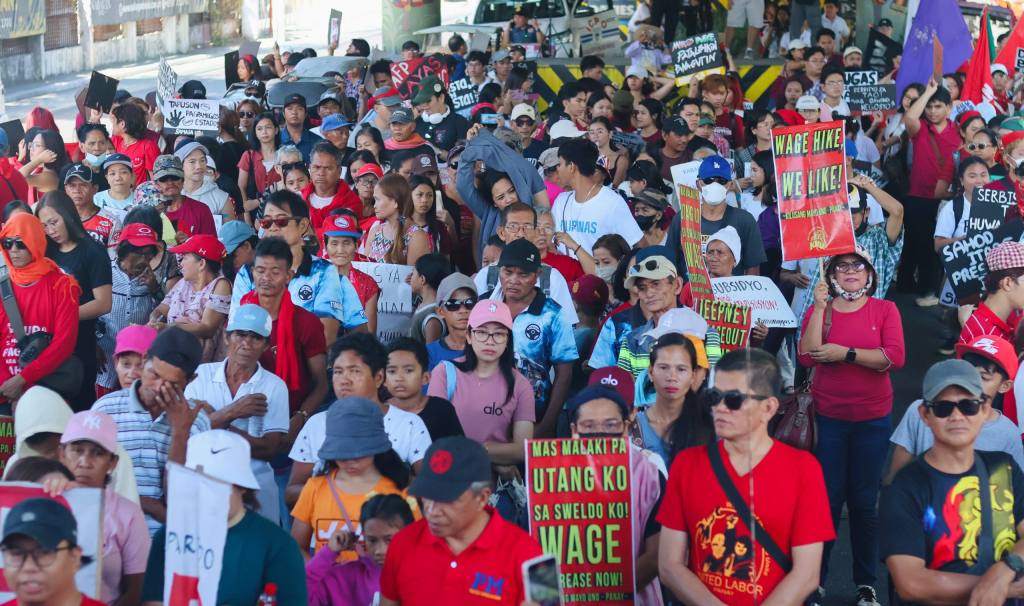
Drivers across the country held transport strikes from March 19 to 20 to clamor for better treatment amid suspension of one-peso fare hike and persistent profiteering of oil companies.
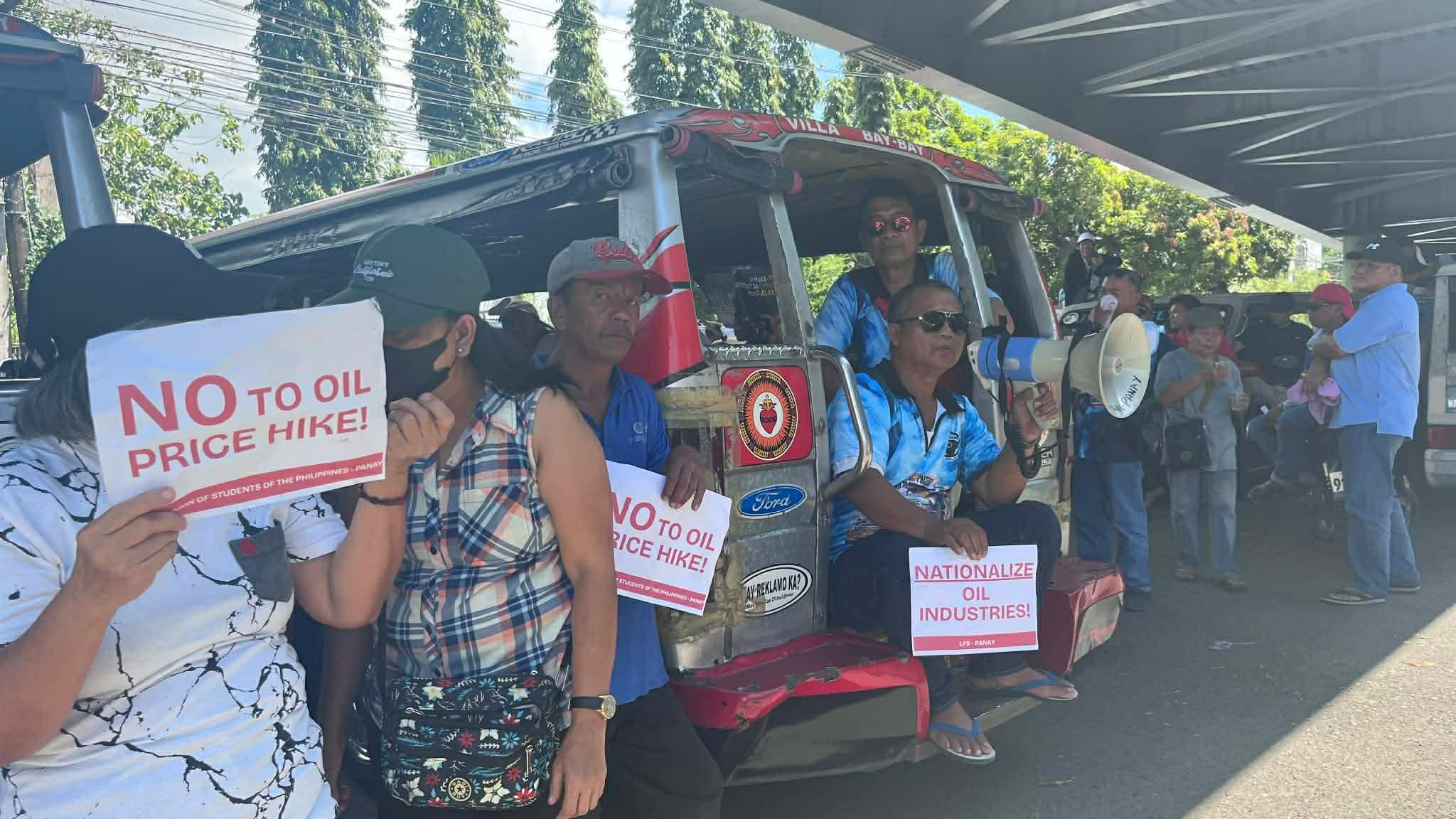
In Iloilo City, multisectoral groups led by PISTON Panay and the No to PUV Phaseout Coalition-Panay scattered across four strike centers. They call for the return of P55 per liter fuel price, scrapping of value-added tax and excise tax, and financial aid to the most vulnerable sectors.
Forty kilometers away from the city, Manong Jun in Miagao also carries the same pleas. He said that the government should have not suspended the one-peso fare increase.
“I hope they did not suspend the fare hike. Although they have a plan to add to our earnings, they should have continued the addition of one peso. That’s just one peso, that’s just a little if you think about it,” he said in Hiligaynon.
In Metro Manila, the Department of Social Welfare and Development already started releasing 5,000-peso cash aids to 54,149 tricycle drivers. Provinces are yet to receive the financial assistance in the next couple of weeks.
Jun said while the ayuda would be of help, it will not be enough to compensate for their everyday loss due to the expensive gasoline price, especially when the crisis prolongs.
“Kagamay na [sang 5,000 pesos] kung maglawig pa ni. Te kung magsigi-sigi na, ang ayuda lang gid na ang sarigan sang mga drayber nga indi man gihapon nakasarang,” he said.
(5,000 pesos will be too little if this prolongs. If this continues, drivers will depend on assistance that will not even be enough for them.)
The cost of one-day loss
The burden for UPV trike drivers does not stop on the fuel price hike. The four-day work week that was imposed by the national government also added to the struggle that they are currently facing.
As UPV also adopts this national order, Wednesday classes were only allowed to be conducted online, with exceptions for laboratory and PE classes.
Unlike drivers from other TODAs in Miagao who traverse the main streets of the town, BSUTODA drivers are confined to the premises of the university and depend on the availability of passengers that go in and out of the campus.
“Nadula na ang one day, mas malala pa gid na nga pigaduhon nga kita sa mga drayber. Te wala ka man ubrahon, gamay lang gid na ang makita mo,” Jun said.
(A day gone means drivers will suffer even more. You can’t do anything, your earnings will really be little.)
Jun said that when hardships come like this, he ventures on construction work just to add to the finances of his family, but since there is no raket for him yet, he will continue driving despite the odds.
“Makaon ka baboy, ibakal mo na lang sardinas o i-bakal mo na lang noodles. Kay kun indi mo pag-ibadyet, ikaw man gihapon ang mabudlayan,” Jun said.
(Instead of buying pork, you would rather buy sardines or instant noodles. Because if you don’t budget your money, you’ll be the one to struggle.)
Fuel prices are still expected to increase as the war progresses, while normal people like trike drivers will pay its price.
Benedict Maravilla is a second year Bachelor of Science in Public Health student. He has been writing news for Pagbutlak since 2024 and currently serves as the Copy Editor in its 51st year.



 Pagbutlak
Leave a comment